Home Page
mmplo.com
How budget fast fashion
No payment method connected. Contact seller.
An error occurred.
Top News

How budget fast fashion

*1

How budget fast fashion is taking small-town India by storm

Rapid Growth of Budget Brands in Tier-2 and Tier-3 Towns

Budget fast fashion brands are expanding quickly across small towns in India. Companies such as Trends from Reliance and Zudio from the Tata Group offer clothing and accessories at prices similar to local bazaars, typically between four and fifteen dollars. These stores provide a modern shopping experience with air-conditioned spaces, trial rooms, helpful staff, and regular discounts.

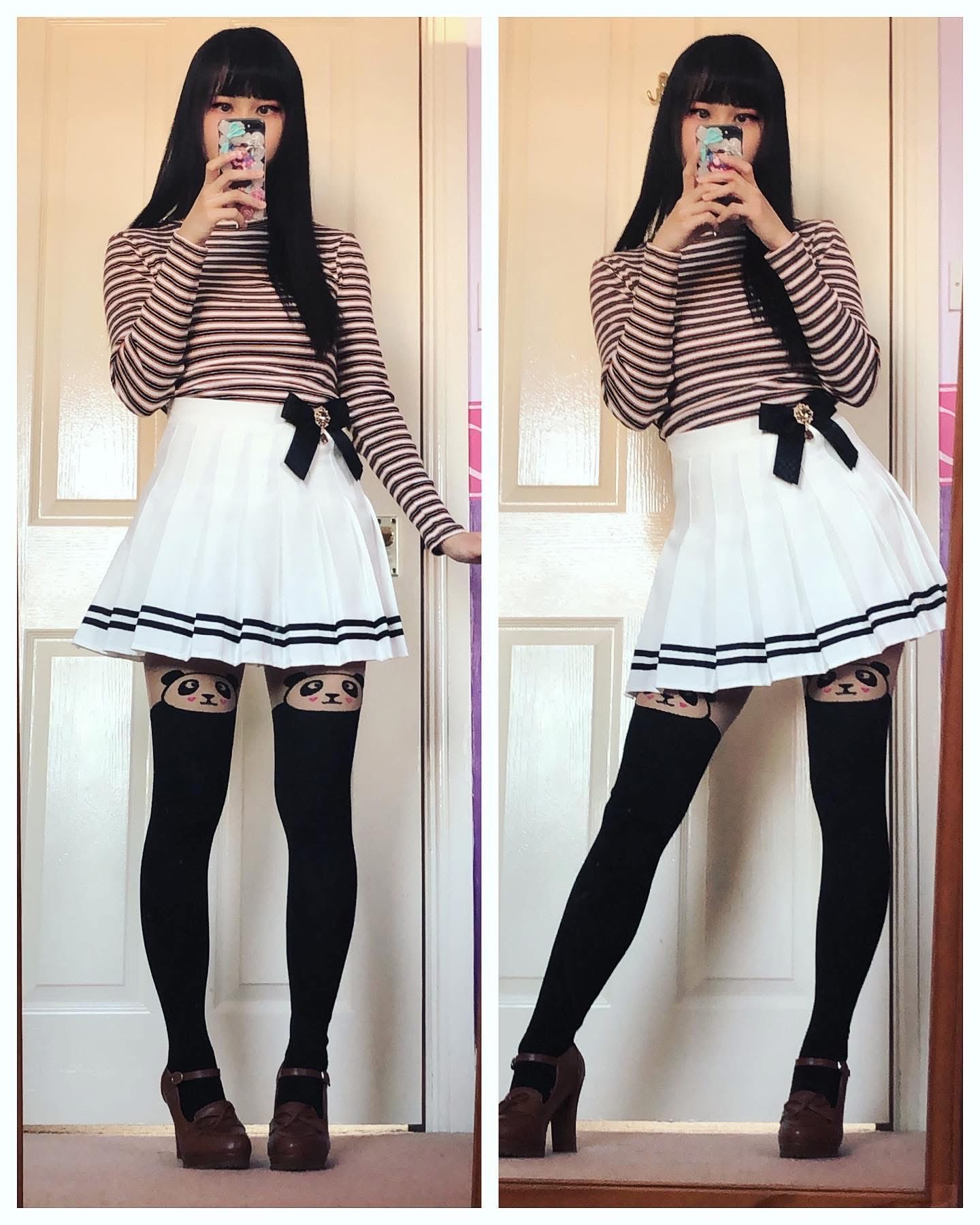
Shoppers in places like Sangli in western India now visit these organised outlets instead of traditional street-side markets. The stores stock trendy items including printed t-shirts, jeans, office wear, ethnic fusion clothes, and accessories like make-up kits, sneakers, handbags, and jewellery.

Consumer Shift Toward Branded Affordable Fashion

Value-conscious yet aspirational buyers, including older customers and younger generations, drive this change. One shopper in Sangli chose a baby pink kurta with a gold paisley design for her daughter after seeing a similar style at work. The appeal lies in contemporary designs combined with branded quality at bazaar-level prices.

This represents a wallet-shift where consumers move spending from unbranded goods in mom-and-pop stores to organised retail without significantly increasing their overall budget.

Zudio's Explosive Expansion and Fast Inventory Turnover

Zudio has grown from seven stores and twelve million dollars in revenue in 2018 to 765 stores and over one billion dollars by mid-2025. The brand turns over inventory in about fifteen days, much faster than the forty-five to sixty days typical for competitors. This speed brings new styles to shelves frequently and encourages repeat visits.

Trends, operated under the Reliance retail arm led by Isha Ambani, follows a similar strategy of penetrating deep into smaller towns where even affordable fashion feels like an upgrade.

Improved Shopping Experience Compared to Traditional Markets

Unlike crowded bazaars, these budget fast fashion outlets offer a comfortable environment with organised displays and additional services. Customers appreciate the ability to try clothes, receive assistance, and benefit from promotions such as scratch cards. The combination of low prices and better experience attracts Gen-Z and young millennials who follow global fashion trends from cities like Paris and Milan.

Brands adapt international fads quickly into affordable collections, making trendy looks accessible in tier-2 and tier-3 locations.

Role of Major Retail Groups in Market Penetration

Reliance and Tata leverage their scale to push into smaller markets. Westside, another Tata brand, has doubled its store count and tripled revenue since 2018, though at a slower pace than Zudio. Other players like Max and Vishal Mega Mart also contribute to the organised sector's growth in apparel.

This expansion targets the mass market where branded goods were previously out of reach for many.

Challenges in Overall Apparel Spending

India's per-capita apparel spending remains lower than in countries such as China, the United States, or Indonesia. The organised retail segment shows strong bottom-line growth, but overall market expansion stays below ten percent in recent years despite potential for higher figures.

Private consumption accounts for around sixty percent of GDP, yet weak job markets and stagnant wages limit increases in total clothing purchases.


*2

Competition with Local Stores and E-commerce

Traditional mom-and-pop stores on high streets face increasing pressure from these budget brands. Shoppers shift purchases to organised outlets for the branded appeal and modern experience. E-commerce platforms like Meesho also grow rapidly at thirty-five to forty percent year-on-year, adding further competition in smaller towns.

The trendification of affordable fashion changes buying habits across both physical and online channels.

Environmental Concerns from Fast Fashion Growth

The rise in budget fast fashion contributes to higher textile waste. The industry ranks as the third-largest source of dry municipal solid waste after plastics and paper or cardboard. Only about a quarter of textile waste is recycled, and globally less than one percent of used clothing is turned into new garments or fibres.

While some brands work on sustainability in supply chains, large-scale change remains limited according to industry observations.

Future Outlook for Organised Retail in India

As brands continue penetrating deeper into small towns, the organised sector is expected to capture more market share. Growth depends on rising per-capita income and continued consumer preference for branded, trendy options at accessible prices.

Analysts note that when GDP per capita increases, branded goods and organised shopping naturally become more prominent in retail.

Wallet-Shift Phenomenon and Consumer Behavior

Consumers maintain similar overall spending levels but redirect money toward branded budget fashion. This wallet-shift allows people to enjoy better quality and style without raising their clothing budget. Young buyers especially seek contemporary designs that reflect global trends at local prices.

The strategy of fast inventory turnover keeps stores fresh and encourages frequent shopping trips.

Impact on Traditional and Unbranded Markets

Local unbranded sellers lose ground as shoppers prefer the organised experience. Ethnic wear like kurtas now appears in trendy versions within budget outlets, blending traditional styles with modern twists. This evolution affects both street bazaars and smaller independent retailers.

The apparel market size is estimated between seventy and one hundred billion dollars, with organised fast fashion driving much of the recent momentum.

Summary of the Fast Fashion Boom in Small-Town India

Budget fast fashion brands are transforming retail landscapes in tier-2 and tier-3 towns through affordable pricing, quick trend adaptation, and superior store environments. While delivering aspirational shopping to value-conscious buyers, the growth also brings challenges for local businesses and raises questions about long-term environmental effects.

How budget fast fashion is taking small-town India by storm highlights a significant shift in consumer preferences and the expansion of organised retail across the country.

*3
https://sekaigyakuten.jp - A DePRESSeD Media Ltd Website - Cospanic Entertainment Video
*4
https://banzaijapan.jp - A DePRESSeD Media Ltd Website - Cospanic Entertainment Video
*5

Medical Disclaimer

Medical Disclaimer: You understand that any information and content, such as text, graphics, and images, found within our Website is for general educational, entertainment, and informational purposes only.

You understand that such information is not intended nor otherwise implied to be medical advice or a substitute for medical advice, diagnosis, or treatment.(Case Study or News article) 

Full Terms

*6

Medical negligence

Medical negligence, also known as clinical negligence (particularly in the UK), occurs when a healthcare professional provides substandard care that falls below the reasonable standard expected of a competent practitioner in similar circumstances, directly causing harm or injury to a patient.To succeed in a claim, four key elements (often referred to as the “4 Ds”) must typically be proven:

  1. Duty of care — A doctor-patient or similar professional relationship existed, establishing that the healthcare provider owed the patient a duty to provide competent treatment.
  2. Breach of duty (or deviation from the standard of care) — The care provided was negligent, meaning it did not meet the accepted professional standards. This is assessed objectively, often with input from independent medical experts, rather than requiring “gold standard” treatment.
  3. Causation — The breach directly caused (or significantly contributed to) the patient’s injury or worsened condition. The harm must be more likely than not attributable to the substandard care.
  4. Damage — The patient suffered actual harm, which may include physical injury, psychological distress, financial loss, additional medical needs, or reduced quality of life.

Common examples include misdiagnosis, delayed diagnosis, surgical errors, incorrect medication, failure to obtain informed consent, or inadequate aftercare. Not every poor outcome or medical mistake constitutes negligence—only those deviating from reasonable professional standards and causing avoidable harm qualify.In the UK, claims are pursued through the civil justice system, often against the NHS or private providers, with the goal of securing compensation to address losses and support recovery. Medical negligence cases can be complex, requiring expert evidence and strict time limits for claims.

*7

Apply For Job Jobs Job's Here

Text

Text

Text

Text

Text

Text

Text

Text

*8
*9
*10
*11
*12
Top News
*13
*14
*15
*16
administrator

Related Articles

Leave a Reply

Your email address will not be published. Required fields are marked *