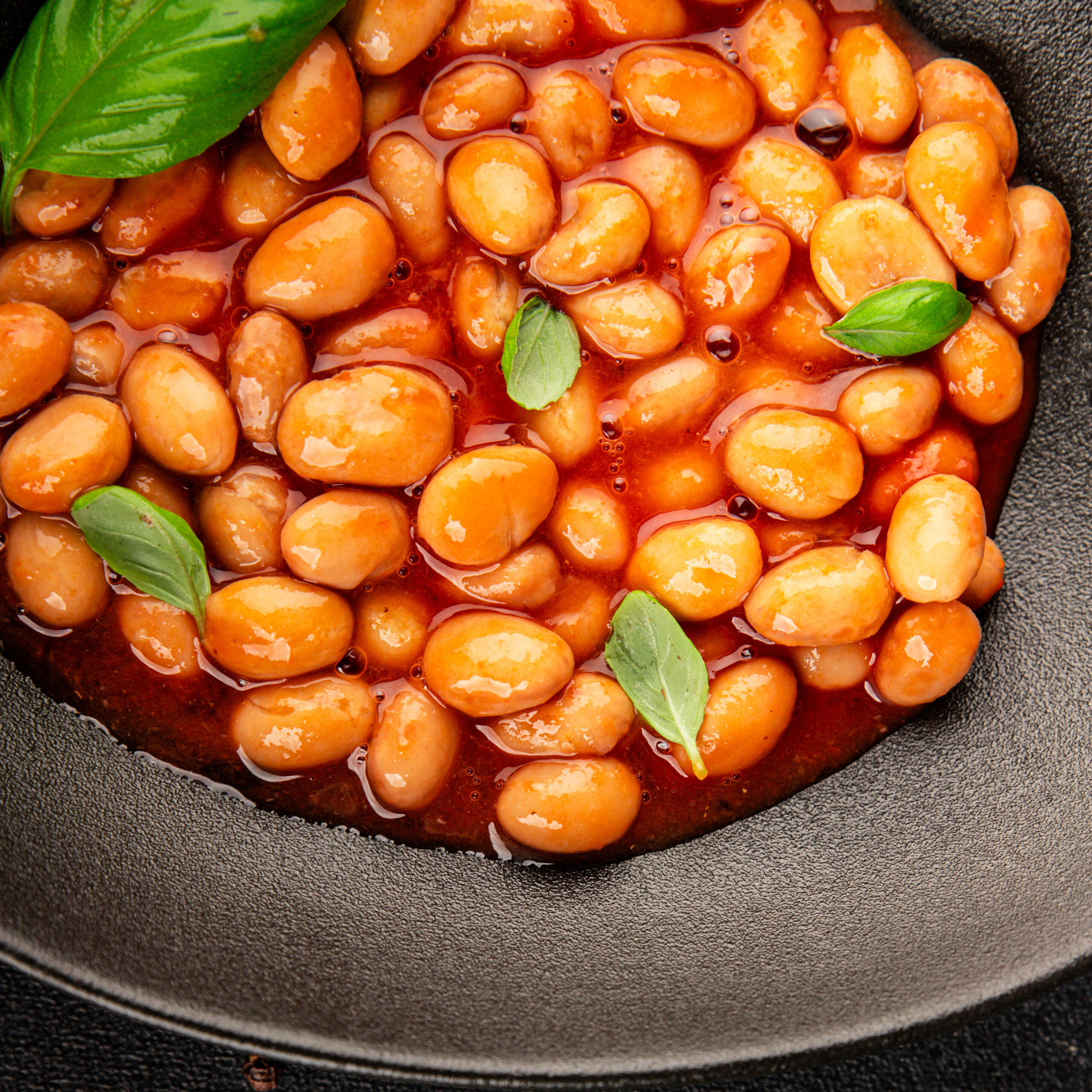
Eight foods that make you fart
Eight foods that make you fart – and why it's totally normal
Understanding Normal Gas Production in the Gut
Passing gas is a completely normal part of digestion. On average, people produce between half a litre and two litres of gas per day, resulting in roughly 10 to 20 farts daily. This gas comes from swallowed air and from the fermentation of undigested food by bacteria in the large intestine.
While embarrassing for some, farting is a healthy sign that the digestive system is working as it should.
Why Certain Foods Increase Gas
Many common foods contain carbohydrates that the small intestine cannot fully break down. These reach the large intestine where gut bacteria ferment them, producing gases such as hydrogen, carbon dioxide, and methane. The amount and smell of gas can vary depending on diet and individual gut bacteria.
Eating these foods does not indicate any problem unless accompanied by other symptoms such as pain or significant changes in bowel habits.
Beans and Legumes as Common Culprits
Beans, lentils, and chickpeas are rich in raffinose and other complex sugars that humans struggle to digest. Gut bacteria break these down, releasing gas as a byproduct. Soaking and rinsing beans before cooking can reduce the gas-producing effect.
These foods are highly nutritious, providing protein and fibre, so their gas-producing nature is a normal trade-off.
Cruciferous Vegetables and Their Effects
Vegetables such as broccoli, cauliflower, cabbage, and Brussels sprouts belong to the cruciferous family. They contain raffinose and sulphur compounds that lead to increased gas production and sometimes a stronger odour. Cooking these vegetables thoroughly can help reduce the amount of gas they cause.
Despite the side effects, these vegetables offer important vitamins, minerals, and antioxidants.
Dairy Products and Lactose Intolerance
Milk, cheese, and other dairy items contain lactose. Many adults have reduced levels of the enzyme lactase needed to digest it properly. Undigested lactose reaches the colon and is fermented by bacteria, producing gas. Lactose-free alternatives or lactase supplements can help manage this effect for sensitive individuals.
Eight foods that make you fart – and why it's totally normal includes dairy as one of the frequent contributors for many people.
Onions, Garlic and High-Fibre Foods
Onions and garlic contain fructans, a type of carbohydrate that ferments in the gut. High-fibre foods in general, including whole grains and certain fruits, also increase gas as fibre is broken down by intestinal bacteria. Gradual increases in fibre intake allow the gut to adapt over time.
These foods provide significant health benefits that outweigh temporary gas production for most people.

Other Common Gas-Producing Foods
Carbonated drinks introduce extra air into the digestive system, leading to increased burping and flatulence. Artificial sweeteners such as sorbitol and xylitol found in sugar-free gums and sweets are poorly absorbed and fermented by gut bacteria. Apples, pears, and stone fruits contain sorbitol and fructose that can also contribute to gas in sensitive individuals.

Processed foods high in these sweeteners often amplify the effect.
Why Gas Production Is Totally Normal
The human gut hosts trillions of bacteria that play an essential role in digestion and immune function. Gas is a natural byproduct of their work breaking down food components that the body cannot absorb directly. Variations in diet, gut microbiome composition, and eating habits all influence how much gas a person produces.
Excessive gas only becomes concerning when it is accompanied by pain, bloating, diarrhoea, or unintended weight loss.
Practical Tips to Reduce Discomfort
Eating more slowly, chewing thoroughly, and staying hydrated can help reduce swallowed air. Introducing high-fibre or gas-producing foods gradually gives the gut time to adjust. Over-the-counter remedies such as simethicone or digestive enzymes may provide relief for some people, though they are not necessary for everyone.
Eight foods that make you fart – and why it's totally normal reminds readers that occasional flatulence is a sign of a functioning digestive system rather than a problem.
When to Seek Medical Advice
While farting is normal, persistent or severe symptoms may warrant professional attention. Sudden changes in gas patterns, especially with abdominal pain or altered bowel habits, should be discussed with a doctor. Most cases of increased gas from food are harmless and resolve with dietary adjustments.
Understanding which foods commonly cause gas helps people make informed choices without unnecessary worry.
Balancing Nutrition and Comfort
The foods that produce more gas are often among the healthiest options, rich in fibre, vitamins, and beneficial plant compounds. Rather than avoiding them entirely, most people benefit from moderation and preparation methods that reduce their gas-producing potential. A varied diet supports overall gut health and microbiome diversity.
Embracing the natural process of digestion allows for enjoyment of nutritious foods with minimal concern about normal gas production.
Final Perspective on Gut Health
Flatulence is a universal human experience. Recognising that certain foods reliably increase gas production helps remove embarrassment and promotes a healthier relationship with eating. The body’s response to food is individual, and what causes noticeable gas for one person may have little effect on another.
Eight foods that make you fart – and why it's totally normal encourages acceptance of this natural bodily function as part of everyday digestive health.
Medical Disclaimer
Medical Disclaimer: You understand that any information and content, such as text, graphics, and images, found within our Website is for general educational, entertainment, and informational purposes only.
You understand that such information is not intended nor otherwise implied to be medical advice or a substitute for medical advice, diagnosis, or treatment.(Case Study or News article)
Medical negligence
Medical negligence, also known as clinical negligence (particularly in the UK), occurs when a healthcare professional provides substandard care that falls below the reasonable standard expected of a competent practitioner in similar circumstances, directly causing harm or injury to a patient.To succeed in a claim, four key elements (often referred to as the “4 Ds”) must typically be proven:
- Duty of care — A doctor-patient or similar professional relationship existed, establishing that the healthcare provider owed the patient a duty to provide competent treatment.
- Breach of duty (or deviation from the standard of care) — The care provided was negligent, meaning it did not meet the accepted professional standards. This is assessed objectively, often with input from independent medical experts, rather than requiring “gold standard” treatment.
- Causation — The breach directly caused (or significantly contributed to) the patient’s injury or worsened condition. The harm must be more likely than not attributable to the substandard care.
- Damage — The patient suffered actual harm, which may include physical injury, psychological distress, financial loss, additional medical needs, or reduced quality of life.
Common examples include misdiagnosis, delayed diagnosis, surgical errors, incorrect medication, failure to obtain informed consent, or inadequate aftercare. Not every poor outcome or medical mistake constitutes negligence—only those deviating from reasonable professional standards and causing avoidable harm qualify.In the UK, claims are pursued through the civil justice system, often against the NHS or private providers, with the goal of securing compensation to address losses and support recovery. Medical negligence cases can be complex, requiring expert evidence and strict time limits for claims.
Apply For Job Jobs Job's Here
Text
Text
Text
Text
Text
Text
Text
Text
Japan says second bigger tsunami may hit after earthquake off north-east coast
Kent’s cherry tree blossom links to Japan
South Korea jails American YouTuber for public nuisance
US judge dismisses $10bn Trump defamation suit against Wall Street Journal
Tice £91,000 tax row is ‘minor administrative error’, party claims
Trump’s Claim on Japan’s Oil from the Humus Straight – A Fact Check
MRPMWoodman
Author
- Labour calls for tax investigation into Reform's Tice