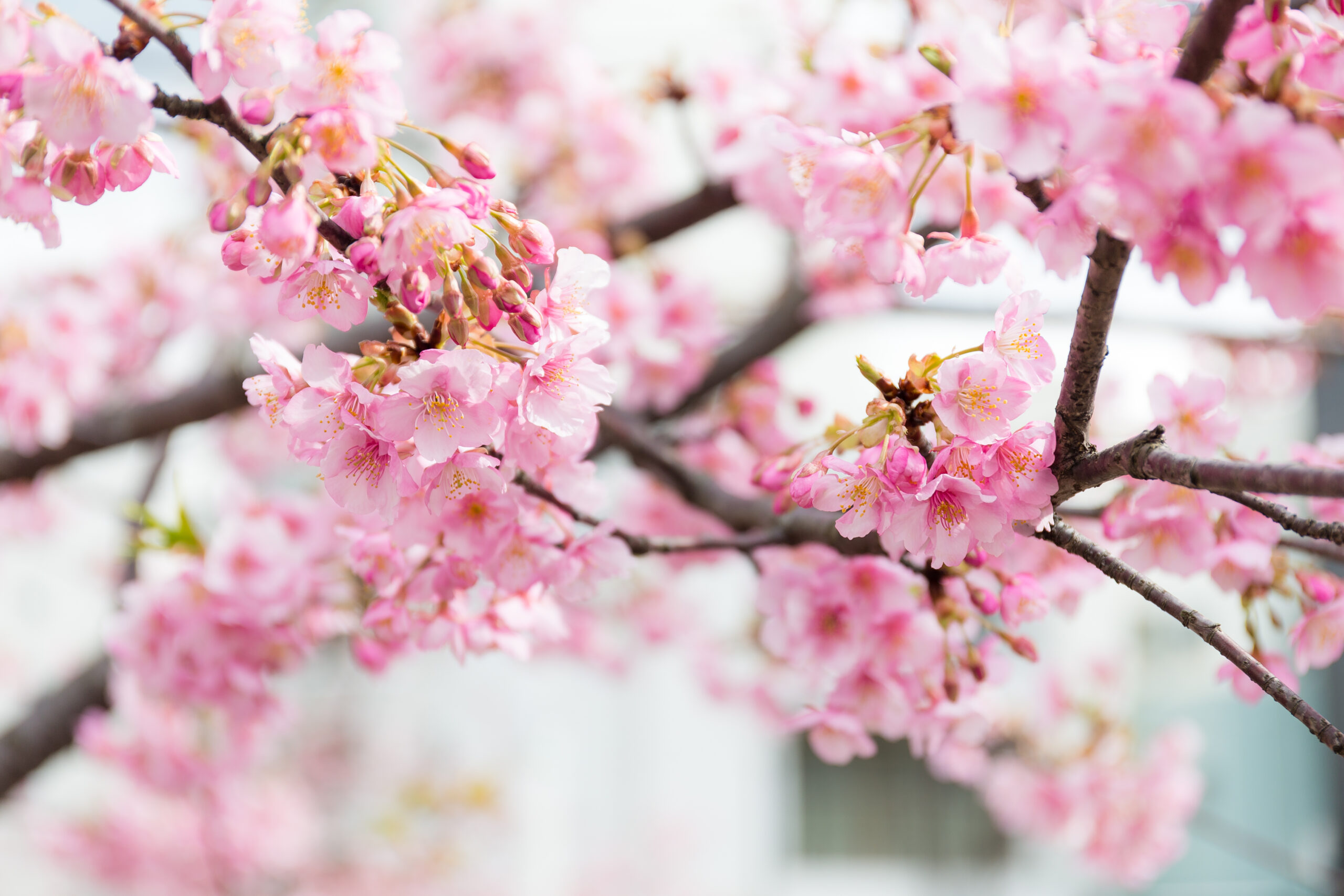
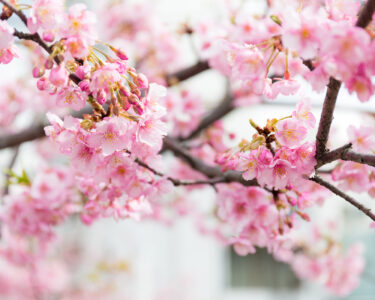
- Kent's cherry tree blossom links to Japan
Text
Kent's cherry tree blossom links to Japan
Historical Ties Between Kent and Japanese Cherry Trees
Kent County Council has highlighted the county’s significant role in the introduction and cultivation of Japanese cherry trees in the United Kingdom. As cherry blossoms reach full bloom across the region, the council draws attention to longstanding connections with Japan through early imports and preservation efforts.
In the late 19th century, a diplomat who served in Japan brought some of the earliest Japanese cherry trees to England. He built a house in Westgate-on-Sea, Kent, and is credited with introducing these ornamental trees to British soil.
Early Introduction of Cherry Trees via Westgate-on-Sea
The diplomat later inherited an estate in Gloucestershire where he developed a wild garden inspired by his international travels. This garden contributed to the wider spread of Japanese flowering cherries in the UK. The National Collection of Japanese Flowering Cherries at Batsford Arboretum traces its roots back to these Kent origins.
Kent County Council emphasises Westgate-on-Sea’s unique place in this horticultural history. The area served as an important early hub for the arrival and establishment of the trees in Britain.
Preservation Efforts in the 1920s
Another resident of Westgate-on-Sea played a crucial role in the 1920s. This horticulturist helped save a specific variety of Japanese cherry tree from extinction by identifying and reintroducing the lost Taihaku cultivar back to Japan.
These actions strengthened the cultural and botanical links between Kent and Japan. The cherry blossom tradition now forms part of the county’s distinctive landscape and heritage.
Current Bloom and Council Recognition
With cherry trees in full flower, Kent County Council is promoting the trees as an important element of local character and history. Officials stress the need to maintain the trees so they continue to thrive and preserve the stories connected to them.
The council notes that caring for these trees protects the heritage that has developed over generations in the county. Public appreciation for the blossoms highlights their ongoing appeal and cultural value.
Significance of Japanese Flowering Cherries in Kent
The ornamental trees bring seasonal beauty to parks, streets, and gardens. Their presence reflects successful historical transplantation and adaptation to British conditions. Kent’s contribution to their establishment remains a point of regional pride.
Links to Japan continue through shared appreciation of the blossom season. The story of introduction and preservation adds depth to the visual display each spring.
Broader Horticultural Impact
The National Collection at Batsford Arboretum stands as a living legacy. Its connection to Kent origins underscores the county’s influence on British cherry tree cultivation. Kent County Council continues to recognise and promote this botanical heritage.
The cherry trees serve as a visible reminder of international exchanges that shaped local landscapes.

Kent's Enduring Connection to Japanese Cherry Blossom Tradition
The full bloom of cherry trees in Kent provides an opportunity to reflect on the county’s historical involvement with Japanese varieties. Kent County Council uses this seasonal moment to celebrate the links established more than a century ago.

Early diplomatic travels facilitated the movement of plant material from Japan to Britain. Westgate-on-Sea emerged as a focal point for these introductions in Kent.
Role of Key Historical Figures in Tree Cultivation
The diplomat who lived in Westgate-on-Sea laid important groundwork through his personal collection and garden designs. Later developments at the Gloucestershire estate built upon these initial efforts in Kent.

The 1920s intervention by a local horticulturist ensured the survival of a rare variety. Reintroduction of the Taihaku cherry to Japan reinforced the two-way botanical relationship.
Modern Stewardship and Heritage Protection
Kent County Council stresses ongoing responsibility for the trees. Proper care ensures they remain healthy and continue to enhance the county’s environment while safeguarding associated historical narratives.
The blossoms contribute to local identity and attract public interest each year. This seasonal display keeps the Japan connection alive in public awareness.
Cultural and Landscape Value of Cherry Trees
Japanese flowering cherries have become integrated into Kent’s landscape. Their delicate blooms mark the arrival of spring and provide aesthetic value across different settings.
The historical story adds layers of meaning to the visual experience. Kent’s role in their UK history distinguishes the county within British horticulture.
National Collection and Its Kent Origins
Batsford Arboretum holds the National Collection of Japanese Flowering Cherries. Council statements highlight that this important repository can trace its lineage to early plantings associated with Westgate-on-Sea.
This connection reinforces Kent’s foundational place in the cultivation and appreciation of these trees in the United Kingdom.
Future Outlook for Blossom Heritage
Continued maintenance and promotion by local authorities aim to preserve both the trees and their stories. The seasonal bloom serves as an annual celebration of Kent’s international botanical links.
Kent's cherry tree blossom links to Japan remain a notable chapter in the county’s cultural and horticultural record.
Medical Disclaimer
Medical Disclaimer: You understand that any information and content, such as text, graphics, and images, found within our Website is for general educational, entertainment, and informational purposes only.
You understand that such information is not intended nor otherwise implied to be medical advice or a substitute for medical advice, diagnosis, or treatment.(Case Study or News article)
Medical negligence
Medical negligence, also known as clinical negligence (particularly in the UK), occurs when a healthcare professional provides substandard care that falls below the reasonable standard expected of a competent practitioner in similar circumstances, directly causing harm or injury to a patient.To succeed in a claim, four key elements (often referred to as the “4 Ds”) must typically be proven:
- Duty of care — A doctor-patient or similar professional relationship existed, establishing that the healthcare provider owed the patient a duty to provide competent treatment.
- Breach of duty (or deviation from the standard of care) — The care provided was negligent, meaning it did not meet the accepted professional standards. This is assessed objectively, often with input from independent medical experts, rather than requiring “gold standard” treatment.
- Causation — The breach directly caused (or significantly contributed to) the patient’s injury or worsened condition. The harm must be more likely than not attributable to the substandard care.
- Damage — The patient suffered actual harm, which may include physical injury, psychological distress, financial loss, additional medical needs, or reduced quality of life.
Common examples include misdiagnosis, delayed diagnosis, surgical errors, incorrect medication, failure to obtain informed consent, or inadequate aftercare. Not every poor outcome or medical mistake constitutes negligence—only those deviating from reasonable professional standards and causing avoidable harm qualify.In the UK, claims are pursued through the civil justice system, often against the NHS or private providers, with the goal of securing compensation to address losses and support recovery. Medical negligence cases can be complex, requiring expert evidence and strict time limits for claims.
Apply For Job Jobs Job's Here
Text
Text
Text
Text
Text
Text
Text
Text
Kent’s cherry tree blossom links to Japan
South Korea jails American YouTuber for public nuisance
US judge dismisses $10bn Trump defamation suit against Wall Street Journal
Trump’s Claim on Japan’s Oil from the Humus Straight – A Fact Check
‘You are my god’, Japan’s PM tells British rock band Deep Purple